7-OH vs Suboxone: Opioid Recovery Comparison
A comprehensive comparison of 7-hydroxymitragynine and buprenorphine for managing opioid withdrawal and supporting recovery - mechanisms, effectiveness, costs, and considerations.
Medical Disclaimer
This information is for educational purposes only and is not medical advice. Opioid addiction is a serious medical condition requiring professional treatment. Always consult with a healthcare provider before making decisions about addiction treatment. Suboxone is FDA-approved for opioid use disorder; 7-OH is not FDA-approved for any medical condition.
7-Hydroxymitragynine
Natural Kratom Alkaloid
- No prescription required
- Available online and in stores
- Partial mu-opioid agonist
- Lower cost, no insurance needed
- Not FDA-approved for any use
- Unregulated, variable quality
Suboxone (Buprenorphine)
FDA-Approved MAT
- FDA-approved for opioid use disorder
- Proven clinical effectiveness
- Medical supervision and support
- Standardized dosing
- Requires prescription
- Expensive without insurance
Detailed Comparison
| Factor | 7-OH | Suboxone |
|---|---|---|
| FDA Status | Not Approved | Approved |
| Mechanism | Partial mu-agonist | Partial mu-agonist + naloxone |
| Access | OTC (most states) | Prescription only |
| Monthly Cost | $50-200 | $100-600+ |
| Medical Support | Self-directed | Professional |
| Duration | 4-6 hours | 24-72 hours |
| Withdrawal Severity | Moderate | Moderate-Severe |
| Clinical Evidence | Anecdotal/Limited | Extensive |
How 7-OH Works for Withdrawal
7-Hydroxymitragynine binds to the same mu-opioid receptors that are activated by opioids like heroin, oxycodone, and fentanyl. As a partial agonist, it produces milder activation of these receptors - enough to prevent withdrawal symptoms but with a ceiling effect that may reduce overdose risk.
Many individuals report using 7-OH products during self-directed opioid tapers, finding that it alleviates withdrawal symptoms like anxiety, muscle aches, insomnia, and cravings. However, this use is entirely anecdotal and not supported by clinical trials.
How Suboxone Works
Suboxone contains buprenorphine (a partial mu-opioid agonist) and naloxone (an opioid antagonist). The buprenorphine component provides stable, long-lasting relief from withdrawal and cravings, while the naloxone discourages misuse by injection.
Decades of research support Suboxone's effectiveness in reducing illicit opioid use, preventing overdose deaths, and improving treatment retention. It's considered a first-line treatment for opioid use disorder alongside methadone.
Cost Comparison
7-OH Costs
- Tablets: $30-80 per bottle (30-60 count)
- Shots: $8-15 each
- Extracts: $40-100 per container
- No doctor visits required
- No insurance needed
Suboxone Costs
- Brand: $400-600/month without insurance
- Generic: $100-200/month without insurance
- With insurance: $10-50/month copay
- Plus doctor visits: $100-300 each
- Telehealth options available
Our Recommendation
For serious opioid addiction, Suboxone under medical supervision is the evidence-based choice. The clinical support, standardized dosing, and proven track record make it the safer option for those committed to recovery.
7-OH may have a role for individuals with milder opioid dependence, those who lack access to healthcare, or as a step-down from Suboxone itself. However, using 7-OH for opioid withdrawal should ideally still involve medical guidance and should not replace professional addiction treatment for those with severe opioid use disorder.
7-OH Products
Lab-tested 7-hydroxymitragynine products

Kream Ohmz 7OH Pseudo Chewable Tablets Mint 60mg

7 Star 7-OH Extract Chewable Tablets S'mores 30mg

Zana Seven 7-OH Chewable Tablets

Kratom Kulture 7OHMS Platinum Chewable Tablets Blue Razz Cotton Candy
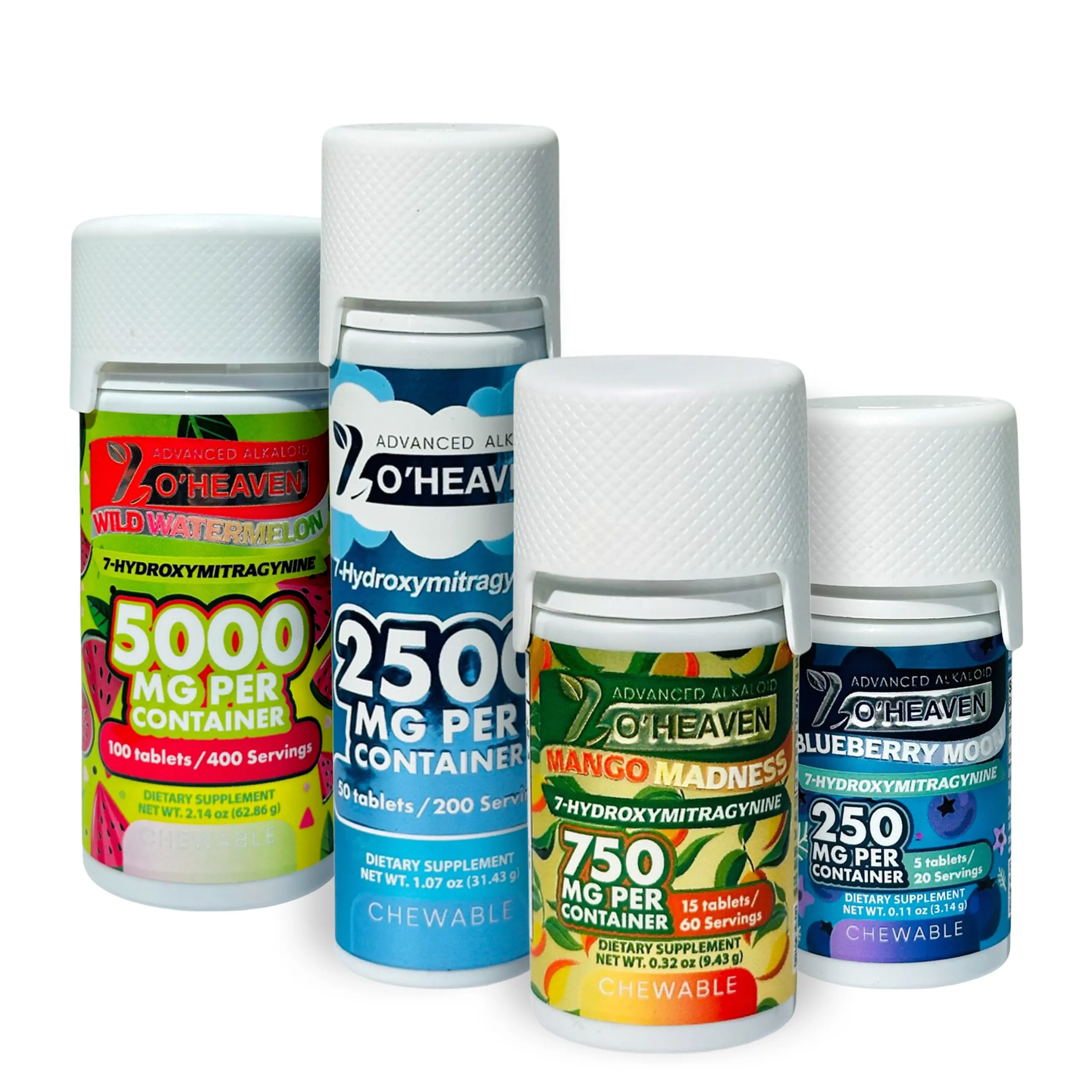
7 O'Heaven 7 Hydroxymitragynine Kratom Leaf Extract Chewable Tablets